












Old tool out. monday.com in. Your data intact.

Whatever your size or complexity, Trundl moves support desks, portfolios, and pipelines onto monday.com with enterprise-grade quality – workflows rebuilt, history preserved, no big-bang cutovers.

Doing nothing has a cost curve too.

The end-of-life notice has a date on it.

The end-of-life notice has a date on it.

When a vendor announces end-of-life, the clock starts ticking. We map your route out early, so time is on your side, not theirs.

The renewal math stopped working.

The renewal math stopped working.

Seats, add-ons, and usage charges moved the bill past forecasting. A scoped migration trades it for a predictable number.

The team built workarounds around the tool.

The team built workarounds around the tool.

Exports, side spreadsheets, duplicate trackers. The migration rebuilds the workflow, not the workaround.

The reasons migrations stall are the reasons we built our process.

"We'll lose data in the move."

Every record, attachment, and history item is mapped before it moves, and validated side-by-side before cutover is called final.

"Our workflows are too complex to rebuild."

Complexity is exactly what discovery is for – routing, approvals, and automations get mapped and rebuilt deliberately, not copied blind.

"We can't afford business disruption."

Your team keeps working in the old tool while the new one is built and loaded. Nothing goes live until it’s tested side by side.

"We depend on too many other tools."

Integration dependencies get mapped during discovery, not discovered mid-cutover – so nothing downstream breaks on switch day.

"Our team will resist a new tool."

Training and admin handoff are part of the plan, not an afterthought – your team is running the new environment on their own workflows from day one.

"We don't know what this will cost, or who owns it internally."

Scope and timeline are set during discovery, with a not-to-exceed estimate up front, and security answers ready before procurement has to ask.

The route off your tool is already mapped.

Smartsheet to monday

Sheets, automations, and dashboards move to monday Work Management- with the visibility and collaboration Smartsheet couldn’t give your team.

Asana to monday

Sync moves data and workflows into monday Work Management with a ready-built connector, scoped inside the Work Management practice.

Microsoft Project & Planner to monday

Scattered plans across Project and Planner make portfolio visibility hard to hold onto. Schedules, dependencies, and boards move to monday Work Management, rebuilt for how your PMO actually runs.

HubSpot to monday

Seat pricing and consumption credits have changed the CRM math. Your pipeline moves to monday CRM with deal history and associations intact.

Zendesk to monday

Seat, add-on, and usage-based AI charges made the bill hard to forecast. Tickets, history, and knowledge move to monday Service.

Migrating from another platform?

Spreadsheets, legacy PPM, a homegrown tracker, a CRM we haven’t named. The method is the same; the mapping is custom.

Migrate your workflows, not just your data.

A migration that only moves records, your configuration and your tickets – carries your old problems into your new tool. We start with how your team actually runs and build the configuration from that map. Migration follows fit, not enforcement.

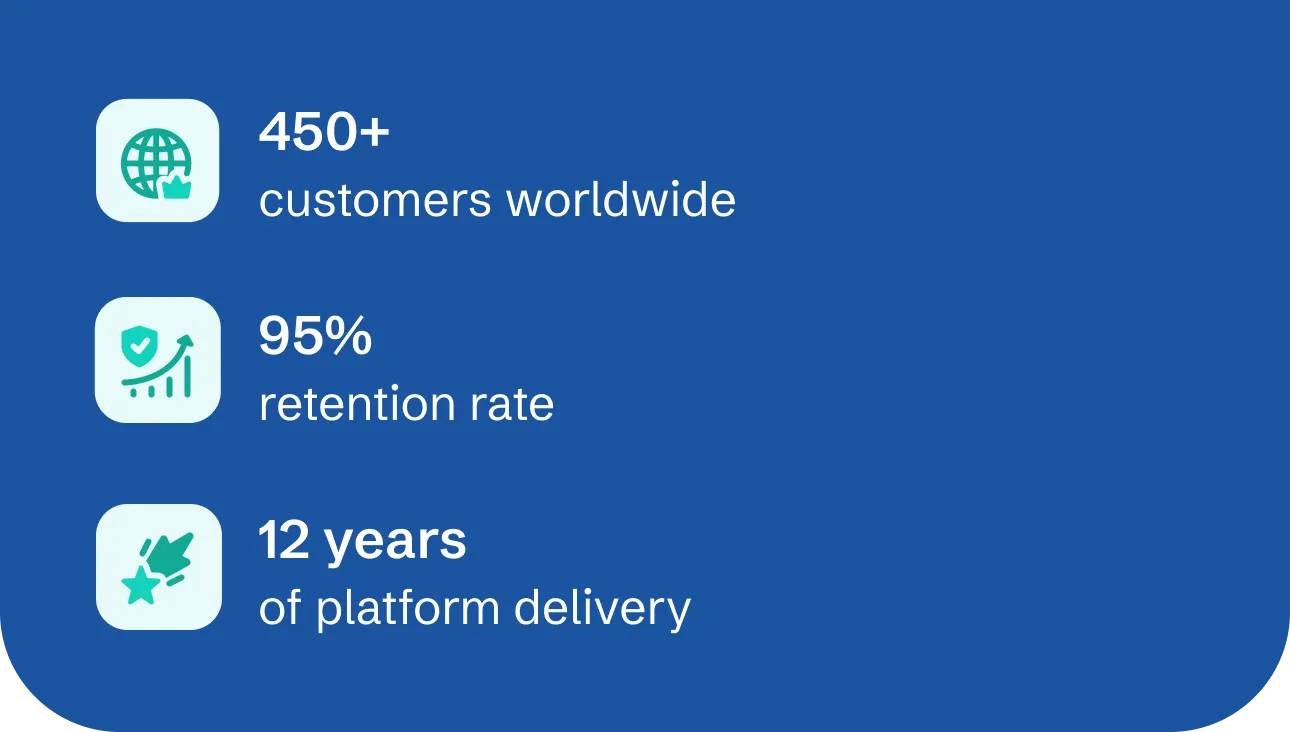
6

mapped routes onto monday.com

5

steps in the method

Zero

big-bang cutovers

95%

retention, Trundl-wide

Not to exceed

scope, price, and date

Discovery

Every object, workflow, and automation gets mapped to its monday.com equivalent. You sign off on the map before anything moves.

Build

The target environment is built and loaded with real data while your team keeps working in the old tool. Nothing is disrupted.

Test

Both systems run side by side. Your team validates real work in the new environment before anything is final.

Cutover

The switch happens on a planned date, in hours, with a rollback path held open until you confirm.

Handoff

Your admins own the new environment. Documentation, training, and post-cutover support land with it.

Scope and timeline are defined during discovery.

Outcome-priced

You get a not-to-exceed number of hours at the scoping call. Price reflects your source complexity, record volume, integrations, and deadline.

Validated phases

Each phase closes with your sign-off. The cutover date is planned, not hoped for.

Real handoff

Your team runs the new environment from cutover day, trained on their own workflows, with hypercare support in the weeks right after go-live.

Built for scale, compliance, and security.

Built to scale

The mapping phase includes a retention plan, covering what migrates live, governance, what archives, and how both stay accessible.

Certified

Trundl is ISO 27001:2022 certified and SOC 2 Type II compliant. Engagements run DPR-aligned.

Answers ready

Your security team gets answers before procurement asks. Access is scoped to the build and removed at handoff.

Your deadline. Our practice.

Bring your source tool, your record counts, and your date. We’ll run a discovery session to map the migration outline, then tell you straight whether the date holds. If it doesn’t, you’ll hear that first.

Common questions.

How long does a migration to monday.com take?
It depends on source complexity and record volume, and it’s fixed at the scoping call along with price. Most migrations complete in weeks, with hard-deadline moves sequenced so the date holds.
No. The mapping phase decides what configuration elements migrates live and what archives, against your retention policy. Tickets, deals, projects, and their histories move or archive deliberately; nothing is dropped by default.
Each rule is mapped, and the ones worth keeping are rebuilt and tested on monday.com before cutover. Years of accumulated rule debt gets retired on purpose.
Your team works in the old tool while the new environment runs alongside with real data. Validation happens on live work, so cutover day confirms what’s already proven instead of testing it.
It is best to take advantage of training from Trundl. Workflows are rebuilt to match how your team already works, so training is recognition, not relearning. Training and documentation are included in every package.
Fixed scope, fixed price, fixed date, agreed at the scoping call. You pay for anoutcome, not the hours it took.
Trundl is ISO 27001:2022 certified and SOC 2 Type II compliant, and engagements run GDPR-aligned. Data handling, access scoping, and transfer methods are documented in the migration plan your security team reviews.
Almost certainly. The four named routes have dedicated pages, but the five-step method applies to any source, including spreadsheets and homegrown tools. Bring it to a scoping call.
A defined support window covers the settling-in period, and your admins are trained before it starts. Ongoing training and administration support is available after go-live, scoped as part of your engagement.

Latest from Trundl.

The Accelerated Contextual Delivery whitepaper.

Eight pages. Built for CIOs, CTOs, and VPs of platform strategy.

DentalXChange

a decade of Data Center retired. Ten years of configuration, on Cloud in weeks, HIPAA-aligned.

M&A instance unification

Acquisitions arrive with their own Jira. Trundl unifies the estate.